

For years, one number has been repeated as the supposed answer to what men find attractive: a waist-to-hip ratio of 0.70. It sounds precise enough to settle the question. But the studies behind that figure used simplified body images, and newer research suggests that a single measurement cannot capture everything people find attractive. So where did the famous number come from—and what does the research actually tell us?
The study behind the hourglass figure


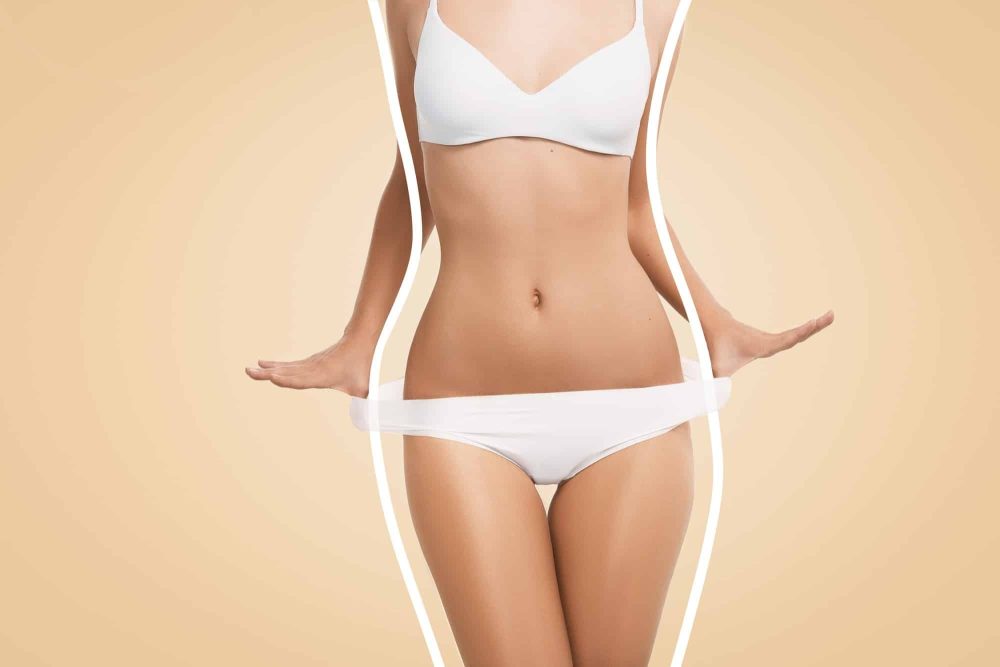
The waist-to-hip ratio, or WHR, compares the circumference of the waist with that of the hips. A ratio of 0.70 means the waist measures about 70% of the hip circumference. In a 1993 study by psychologist Devendra Singh, men rated images of women with lower waist-to-hip ratios as more attractive than images with higher ratios.
That finding helped make the hourglass figure a familiar part of conversations about beauty and attraction. But it does not prove that every man prefers the same shape. The study used drawn figures, and its results describe how participants responded to those images—not a universal rule for attraction in real life. Later research has also pointed out that WHR can be affected by body weight and by the size of the waist and hips, which makes the ratio an imperfect measure on its own.
RELATED: The Naughty Kink Secretly Shared By Millions of Women
What the BMI study found
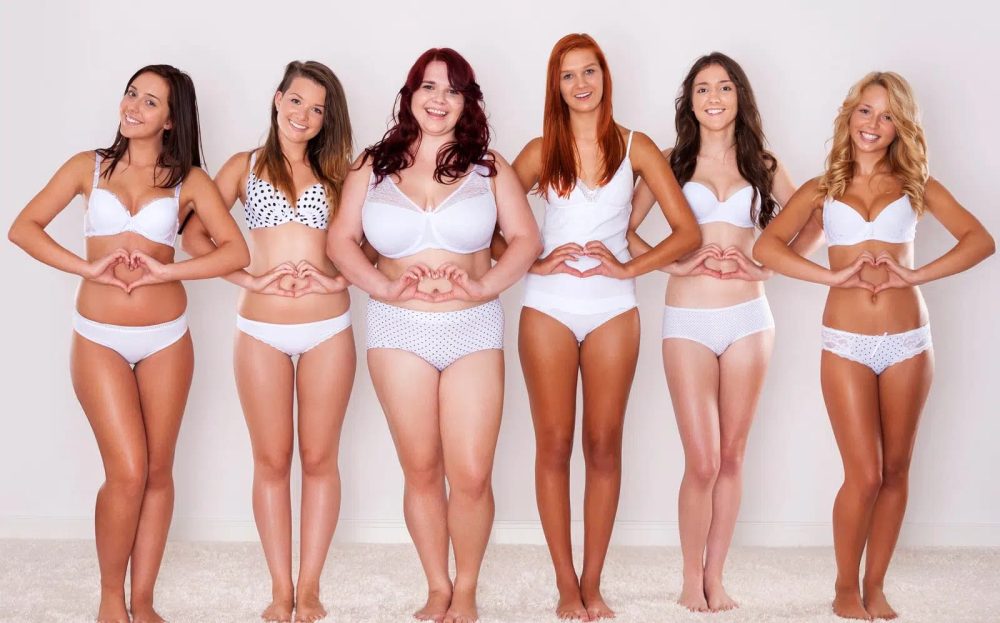
A separate study used adjustable 3D body models to explore what young adults found attractive in a potential partner. In that experiment, men selected female models with an average BMI of 23.01 for short-term relationships and 23.46 for long-term relationships. The same study found that women tended to think men preferred thinner bodies than men actually selected.
Those numbers need context. The participants were young, White European adults in the UK, and they were choosing from computer-generated models. The results cannot represent every age group or culture, and they do not make a particular BMI a beauty standard—or a target anyone should try to reach. BMI is also a limited measure of an individual’s health and does not describe a person’s full body composition.
Why one number cannot define attraction

Researchers continue to test whether waist-to-hip ratio is the best way to describe body shape. A 2024 study found that curviness predicted attractiveness ratings better than WHR among the simple torso images used in its experiment. The authors also noted that the images were simplified and that further work is needed to see how well the result applies to real people and different cultures.
That fits a broader point: attraction varies between people and across settings. A systematic review of research on men’s waist-to-hip preferences found that popular evolutionary explanations remain debated, and that findings do not support a neat, one-size-fits-all story.
What about fertility and the body’s shape?



Some researchers have proposed that preferences for certain body proportions may be connected to perceived health or reproductive cues. But those explanations are hypotheses about why a preference might exist; they do not show that a particular body shape guarantees fertility, predicts a child’s health, or is preferred by all men. The evidence is more complicated than the claim that a specific ratio is biologically programmed into everyone.
So, is there one female body type that men find sexiest? Some studies have found preferences for particular proportions or body shapes within their samples. But science has not identified a single figure that applies to everyone. The most accurate answer is less tidy than the viral version: preferences differ, and a study’s average is not a prescription for anyone’s body.
RELATED: The Most Surprising Things Men Find Attractive In Women